
Missing teeth are often treated as a cosmetic concern, but the empty space left behind can affect far more than the way a person looks in photos. A single lost tooth can change how you chew, how your bite fits together, how clearly you speak, and how healthy the surrounding teeth and bone remain over time.
Whether a tooth was lost because of decay, gum disease, trauma, or an extraction, replacing it is not just about filling a gap. It is about protecting the entire oral system and supporting everyday comfort, nutrition, confidence, and long-term health.
The Chain Reaction That Starts After a Tooth Is Lost
Teeth are not isolated objects sitting in the jaw. They work as part of a living, dynamic system that includes bone, gums, muscles, nerves, the tongue, and the temporomandibular joints. When one tooth is missing, the rest of the mouth begins to adapt. Unfortunately, those adaptations are not always helpful. Neighboring teeth may slowly drift into the open space, opposing teeth may begin to over-erupt, and the bite can become uneven.
This shifting does not usually happen overnight, which is why many people underestimate it. In the first few weeks or months, the missing tooth may seem like a minor inconvenience. Over time, however, small changes in tooth position can create new spaces that trap food, make flossing harder, increase plaque buildup, and place unusual pressure on teeth that were not designed to carry that load alone.
The jawbone also responds to tooth loss. Natural tooth roots stimulate the bone every time you bite and chew. When that stimulation disappears, the bone in that area can begin to shrink. This process is called resorption, and it is one reason a missing tooth can lead to changes in facial shape, gum contours, and future treatment options. Replacing a tooth sooner can help limit complications and preserve more possibilities for stable restoration.
Chewing, Digestion, and Nutrition Are Closely Connected
One of the most practical effects of missing teeth is difficulty chewing. Molars and premolars break down fibrous vegetables, lean meats, nuts, fruits, and whole grains. When those teeth are missing, many people unconsciously shift to softer foods or chew mostly on one side. That may seem like a harmless adjustment, but it can reduce dietary variety and make nutritious foods harder to enjoy.
Chewing is the first stage of digestion. Properly broken-down food mixes with saliva, which contains enzymes that begin the digestive process. If food is swallowed in larger pieces because chewing is uncomfortable or inefficient, the digestive system may have to work harder. Some people experience bloating, indigestion, or changes in eating habits simply because they can no longer chew comfortably.
Missing teeth can also create a cycle that affects overall wellness. A person who avoids crunchy vegetables, apples, seeds, or protein-rich foods may rely more heavily on refined carbohydrates, soups, pastries, or processed soft foods. Over time, that shift can influence energy levels, blood sugar balance, weight management, and general health. Restoring teeth can help make a broader, more balanced diet realistic again.
Bone Loss and Facial Changes Can Become Harder to Reverse
The jawbone is maintained through use. Natural tooth roots transfer forces into the surrounding bone, signaling that the bone is needed. After a tooth is lost, the area no longer receives the same mechanical stimulation. The body may gradually resorb the bone, especially during the first year after tooth loss. This can make the ridge of bone narrower, shorter, or less capable of supporting certain restorations without additional procedures.
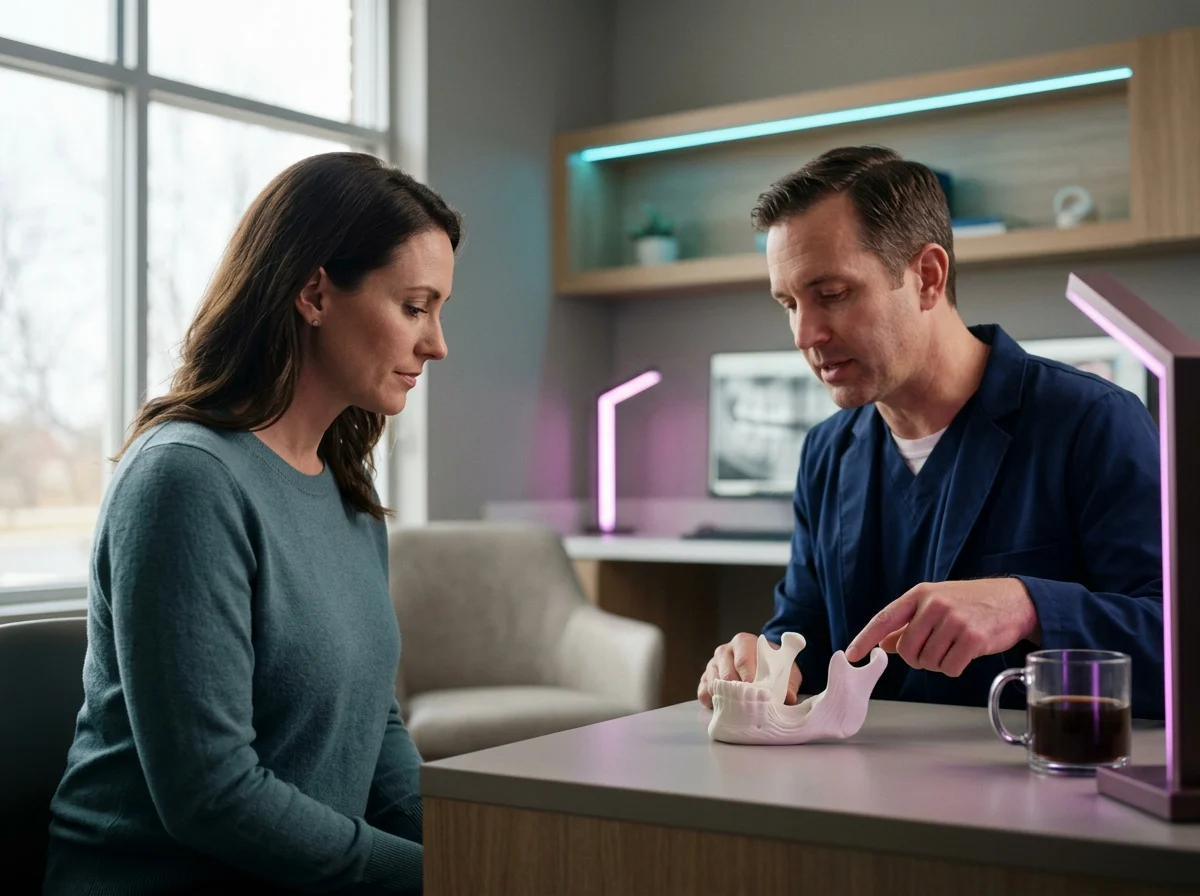
Bone loss can affect appearance as well as function. When several teeth are missing, the lower face may begin to look collapsed or shortened. Lips can lose support, wrinkles around the mouth may deepen, and the chin may appear more prominent. These changes are often associated with aging, but tooth loss can accelerate them. Replacing teeth helps support the cheeks, lips, and bite height that contribute to a natural facial profile.
Dental implants are often discussed in relation to bone preservation because they replace the root portion of a tooth as well as the visible crown. Not everyone is an immediate candidate, but an evaluation can determine whether implants, bridges, dentures, or a combination of options will best protect function and appearance.
The Bite Can Change in Ways That Stress the Entire Mouth
A healthy bite distributes pressure across the teeth in a balanced way. When a tooth is missing, that balance can change. Nearby teeth may tilt, opposing teeth may move, and the remaining teeth may absorb more force than they should. This can lead to worn enamel, chipped teeth, cracked fillings, sensitivity, jaw soreness, or headaches related to muscle strain.
Chewing mostly on one side can also create problems. The preferred side may become overloaded, while the unused side collects more plaque because it receives less natural cleansing from chewing. Jaw muscles may become unbalanced, and some people develop clicking, popping, or tenderness in the jaw joints. The longer the imbalance remains, the more complex correction can become.
Replacing missing teeth helps restore support. A well-planned restoration is designed not only to look natural but also to share chewing forces properly. That is why the best tooth replacement decisions consider the entire bite, not just the empty space. A single missing molar, for example, may have a major influence on chewing stability even though it is not visible when smiling.
Speech, Confidence, and Social Comfort Are Real Health Factors
Teeth help shape sounds. The tongue, lips, and teeth work together to pronounce words clearly, especially sounds such as “s,” “th,” “f,” and “v.” Missing front teeth can cause whistling, lisping, or slurred speech. Even missing back teeth may affect how the tongue rests and moves during conversation. For people whose work or social life depends on speaking comfortably, this can be frustrating and emotionally draining.
The emotional impact of missing teeth should not be minimized. People may cover their mouth when laughing, avoid photos, speak less in groups, or feel anxious during meals. In professional settings, they may worry about being judged. In personal relationships, they may feel less confident or less like themselves. These concerns are not vanity. Oral health is closely tied to self-expression, dignity, and quality of life.
Replacing missing teeth can help restore a sense of normalcy. Many patients describe feeling more relaxed in conversation, more comfortable eating in public, and more willing to smile naturally. The psychological benefits can be just as meaningful as the physical improvements, especially for someone who has spent months or years adapting to a gap.
Oral Health Risks Increase When Gaps Remain Untreated
Food and plaque can collect around the edges of a missing tooth space, particularly if adjacent teeth have shifted or tilted. These areas may be difficult to clean with a toothbrush or floss. Over time, plaque can contribute to cavities on neighboring teeth and inflammation of the gums.

Gum disease is one of the leading reasons adults lose teeth. The condition affects the tissues that support the teeth, including the gums and bone. The National Institute of Dental and Craniofacial Research offers detailed information about gum disease, including causes, symptoms, and prevention. If gum disease remains active, other teeth may be at risk even after one missing tooth is replaced.
Untreated gaps can also make dental care more complicated later. A tooth that drifts may create crowding or bite interference. Bone shrinkage may require grafting before an implant can be placed.
Tooth Replacement Options and How They Work
There is no single tooth replacement option that is right for every person. The best solution depends on the number of missing teeth, the health of the gums and bone, the location of the gap, budget, timeline, medical history, and personal preferences.
A dental implant is designed to replace the root of a missing tooth and support a crown, bridge, or denture. A fixed bridge uses neighboring teeth as support for an artificial tooth between them.
When to Talk With a Dentist About Replacement
The best time to discuss replacement is as soon as a tooth is lost or when an extraction is being planned. Early planning may preserve bone, protect alignment, and reduce the need for more extensive treatment later. The American Dental Association explains that dentures and other tooth replacement options can improve chewing, speaking, and appearance when properly fitted and maintained.
Delaying treatment is common, especially when the missing tooth is not visible. Still, a hidden gap can create visible and functional problems over time. A consultation does not obligate someone to begin treatment immediately, but it provides clarity about risks, options, timing, and costs.
Replacing Missing Teeth Protects More Than Appearance
Missing teeth affect chewing, nutrition, bone health, speech, facial support, bite balance, and confidence. What begins as a single gap can influence the entire mouth in gradual but important ways.
If you have one missing tooth or several, the most valuable next step is a personalized evaluation. With modern replacement options, it is often possible to restore a natural look, stronger function, and renewed confidence while helping protect the teeth and bone that remain.
Need help with Missing Teeth: Why Replacing Them Matters for More Than Your Smile?