
Medication and Heart Disease
Certain kinds of medications can have an adverse effect on your teeth. Long ago, children exposed to tetracycline developed tooth problems, including discoloration, later in life. The medication fell out of use, however, and is not an issue today. The best precaution is to ask your family physician if any medications he or she has Read More
Medications
Some dental procedures, such as tooth extractions and oral surgery, may call for our office to prescribe medications before or after a procedure. These medications are used to prevent or fight an infection, or to relieve any post-operative discomfort and pain. For these reasons, it is extremely important that you share your entire medical history Read More
Missing Teeth
Fixed bridges and implants are often used to replace missing teeth and to correct some kinds of bite problems.
Crowns and bridges are the most effective procedure for replacing missing teeth or bite problems.
Missing Teeth: Why Replacing Them Matters for More Than Your Smile
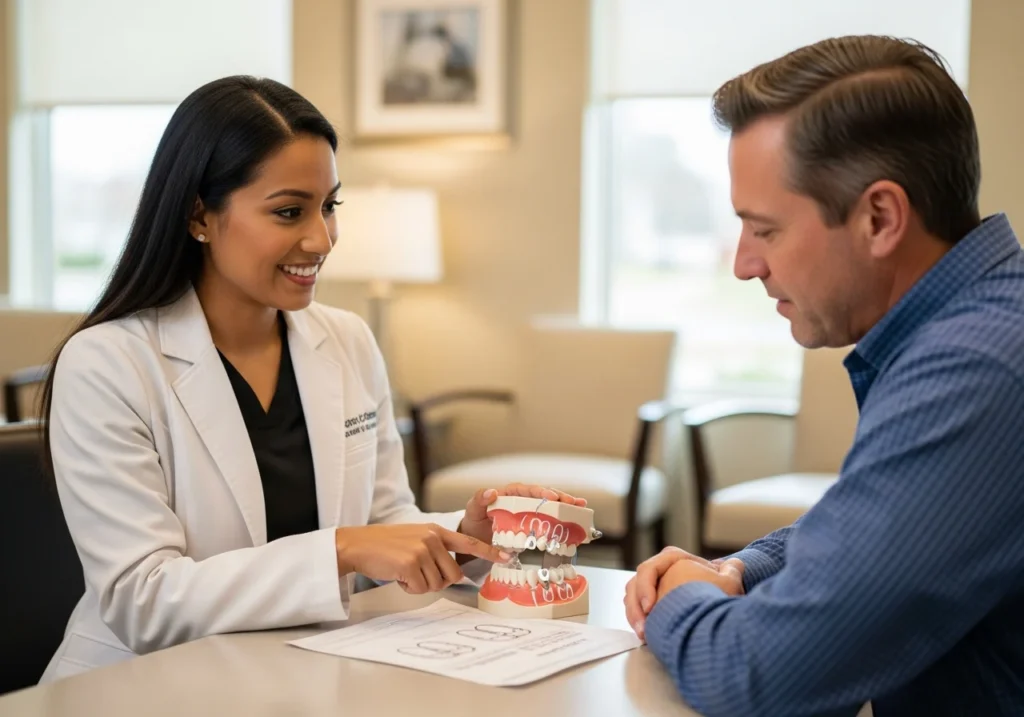
Missing teeth are often treated as a cosmetic concern, but the empty space left behind can affect far more than the way a person looks in photos. A single lost tooth can change how you chew, how your bite fits together, how clearly you speak, and how healthy the surrounding teeth and bone remain over time.
Mouth Guards
Anyone who participates in a sport that carries a significant risk of injury should wear a mouth protector. Sports like basketball, baseball, gymnastics, and volleyball all pose risks to your gum tissues, as well as your teeth. We usually think of football and hockey as the most dangerous to the teeth, but nearly half of Read More
Mouth Rinses
The Food and Drug Administration classifies mouth rinses into two categories – therapeutic and cosmetic. In general, therapeutic rinses with fluoride have been shown to actually fight cavities, plaque and gingivitis. On the other hand, cosmetic rinses merely treat breath odor, reduce bacteria and/or remove food particles in the mouth. They do nothing to treat Read More
Nutrition and Your Teeth
It has long been known that good nutrition and a well-balanced diet is one of the best defenses for your oral health. Providing your body with the right amounts of vitamins and minerals helps your teeth and gums—as well as your immune system—stay strong and ward off infection, decay and disease. Harmful acids and bacteria Read More
Old and Unsightly Fillings
Newer kinds of fillings made from composite resins and porcelain can restore unsightly fillings; many people are surprised how natural these kinds of filling materials can make a tooth once covered by the old-fashioned silver amalgams.
Oral Cancer
Oral cancer is one of the most common cancers today and has one of the lowest survival rates, with thousands of new cases being reported each year. Fewer than half of all people diagnosed with oral cancer are ever cured. Moreover, people with many forms of cancer can develop complications—some of them chronic and painful—from Read More
Oral Health Products
Visit any pharmacy or the health and beauty section of a supermarket today, and you are faced with a large, and many say confusing, array of over-the-counter remedies and devices designed to help you tend to your hygiene and health-care needs. There are many high-quality products on the market today. There also are many products Read More
Oral Piercing
Oral piercings (usually in the tongue or around the lips) have quickly become a popular trend in today’s society. With this popular trend, it is important to realize that sometimes even precautions taken during the installation of the piercing jewelry are not enough to stave off harmful, long-term consequences such as cracked or chipped teeth, Read More
Overview
Pain can occur in any number of places in your mouth: teeth, gums, roots, the palate, tongue and jaw. Cavities are a common culprit causing pain. Untreated cavities can impact nerves because of infections of the tooth and gums. Impacted and abscessed teeth and sore jaws from teeth grinding are other common causes of pain. Read More
Pain When Biting: Why One Tooth May Hurt Only Under Pressure
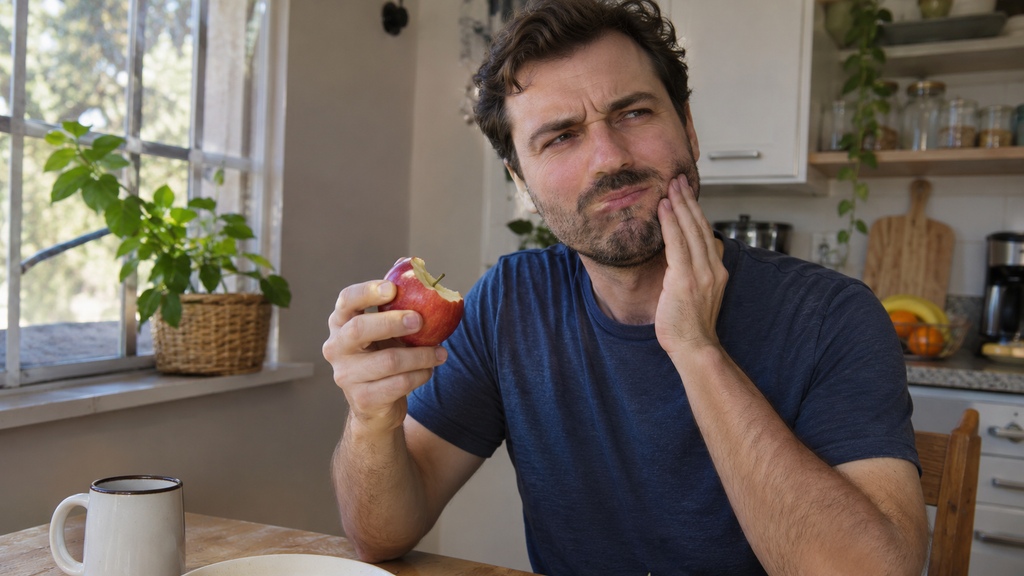
If one tooth feels fine until you bite down, the pressure may be bringing out a problem you don’t notice at rest. Biting puts force on the tooth, any filling or crown, and the tissue that supports the root. A crack, a filling that meets the opposite tooth too early, or irritation around the root Read More
Periodontal Exams
Periodontal exams are vital in the maintenance of your oral health as they are used to assess the health of your gums and teeth. They can help your dentist diagnose gum diseases, gingivitis and periodontitis. These exams can also reveal receding gums, exposed roots, tooth grinding and other problems, making periodontal exams vital to maintaining Read More
Plaque
Plaque is a film of bacteria that forms on your teeth and gums after eating foods that produce acids. These foods may include carbohydrates (starches and sugars), such as candy and cookies, and starchy foods such as bread, crackers, and cereal. Tooth decay, commonly known as cavities, occurs when plaque remains on your teeth for Read More
Prevention Tips for Children
Infants Infants should be seen by our office after the first six months of age, and at least by the child’s first birthday. By this time, the baby’s first teeth, or primary teeth, are beginning to erupt and it is a critical time to spot any problems before they become big concerns. Conditions like gum Read More